On September 15, 2026, the Ministry of Labor and Social Welfare (“STPS”) published in the Official Gazette of the Federation (“DOF”) two relevant provisions related to the implementation of the Labor Certificate for Agro-Exports (“CLA”): the General Operating Guidelines for the VELAGRO Platform and the Technical Agreement through which avocado is incorporated as the first product subject to this certificate. Both provisions entered into force on the same day of their publication.
The CLA constitutes a non-tariff regulation and restriction applicable to the export of agricultural products incorporated through Technical Agreements published in the DOF, and its purpose is to certify compliance with labor and social security obligations throughout the value chain. The certificate will be managed electronically through the VELAGRO platform.
Incorporation of avocado
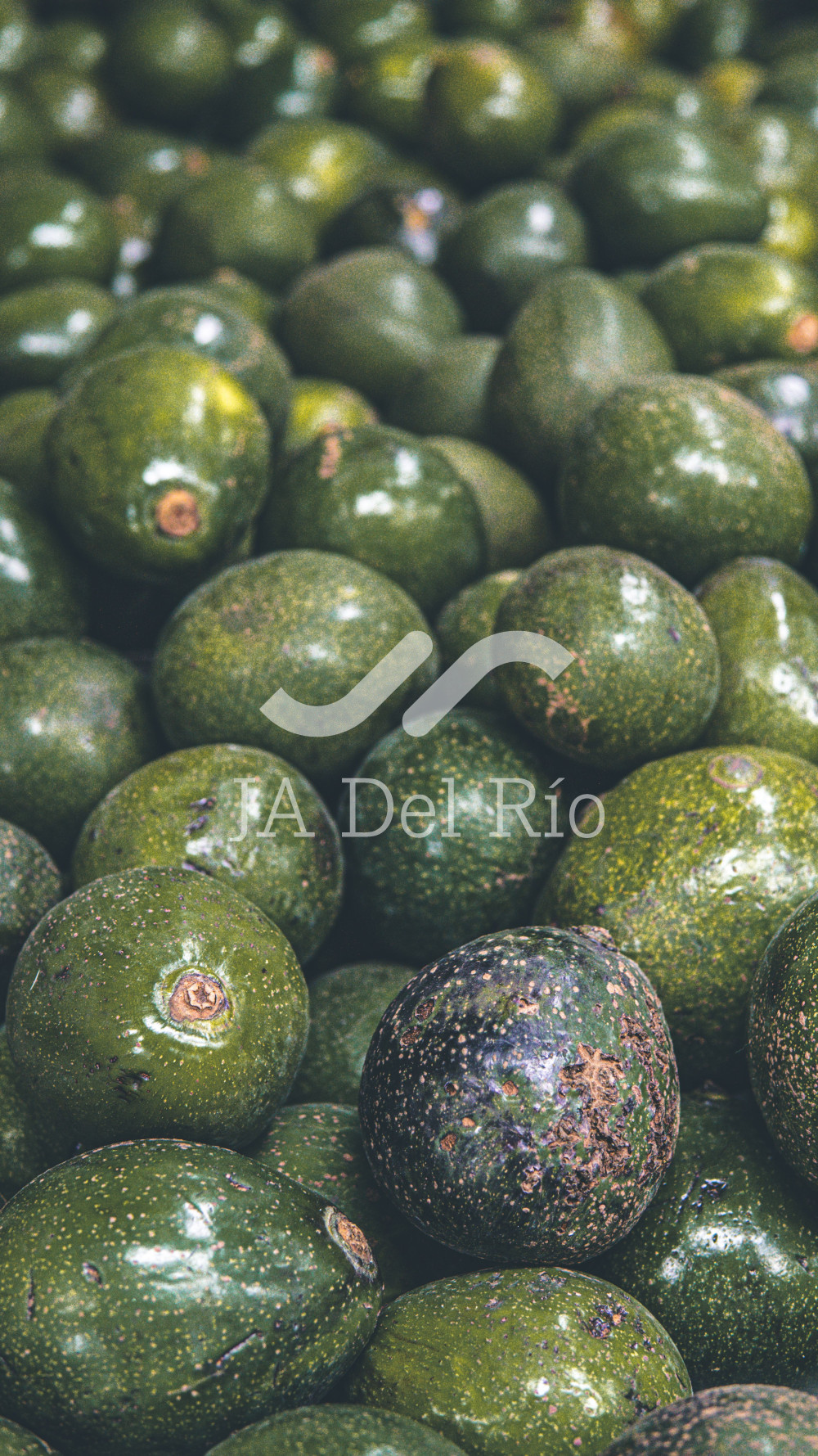
As of this publication, avocado, classified under tariff classification 0804.40.01, NICO 00, is incorporated into the CLA scheme through a mandatory pilot program with progressive implementation.
For these purposes, the value chain will mainly include producers, harvesting service providers, packing companies, and exporters. In particular, companies providing harvesting services must have a valid registration with the REPSE, while the applicant will be responsible for registering in VELAGRO the participants associated with its export operations.
Gradual Implementation
The avocado pilot program will be implemented according to the following schedule:
|
Phase
|
Period / implementation
|
Main obligations
|
|
1. Applicant registration
|
September 15 to 30, 2026
|
Create a profile in VELAGRO and provide statistical information for the previous 12 months. The CLA will be valid from October 1 to November 7, 2026.
|
|
2. Value chain registration
|
November 1 to 7, 2026
|
Incorporate information regarding procedures, orchards, and other participants in the value chain. The CLA will de valid from November 1, 2026 to January 15, 2027.
|
|
3. Incorporation of employer Registration Numbers
|
January to April 2027
|
Progressive incorporation of Employer Registration Numbers before the IMSS: 25%, 50%, 75%, and finally 100% of the value chain.
|
|
4. Gradual application of the Technical Factor
|
May to November 2027
|
Progressive application of the Technical Factor at 25%, 50%, 75% and 100%.
|
|
5. Transition to the permanent regime
|
November 2027 to January 2028
|
Issuance of CLAs valid for three months. The permanent regime will formally begin in February 2028.
|
First relevant deadline: Septiembre 30, 2026
Based on the above, avocado exporters should pay particular attention to the first phase of the pilot program, for which the application period begins on September 15 and ends on September 30, 2026.
During this stage, the applicant must access VELAGRO, create its profile, and provide statistical information corresponding to its operations during the previous 12 months. The certificate obtained during this phase will be valid from October 1 to November 7, 2026.
VELAGRO operations and CLA issuance
VELAGRO will be the official platform for submitting and tracking applications, receiving notifications, and allowing the exchange of information with other authorities. A valid e.firma must be used to access the system; in the case of legal entities, the e.firma corresponding to the legal entity itself must be used, and not that of its legal representative or attorney-in-fact.
The platform may interoperate with the systems of the IMSS, SADER, and VUTCE, among others, to validate information related to Employer Registration Numbers, affiliation movements, employer-employee social security contributions, and other data required to assess labor and social security compliance by participants in the value chain.
The STPS will have a maximum period of five business days to resolve the application. If omissions or inconsistencies are identified, it may issue a request for additional information on one occasion, and the applicant will have five business days to respond. Additionally, if the authority does not issue a resolution within the corresponding period, deemed approval will apply under the terms established in the Guidelines.
Once issued, the CLA must be declared in the export customs declaration through VUTCE. Likewise, during its validity period, it may be used to cover multiple export operations, with no limit on the number of customs declarations, provided that the certificate remains valid.
Compliance Assessment
Under the permanent regime, the Guidelines provide for Type A, B, C, and D certificates, depending on the level of labor and social security compliance of the applicant and the members of its value chain. The validity of the certificate may range from one to four months depending on the classification obtained.
For the avocado pilot program, compliance will be incorporated gradually, beginning with the registration of participants and their Employer Registration Numbers and, subsequently, with the application of the Technical Factor.
EIt is important to consider that the specific parameters of the Technical Factor and the Retention Factor must still be determined through subsequent provisions to be jointly published by the STPS, SADER, and IMSS in the DOF
Recommended actions
Considering that the first phase began on September 15, 2026, we recommend that avocado exporting companies immediately identify the operations subject to the CLA, validate their access and e.firma for VELAGRO, map all participants in their value chain, verify Employer Registration Numbers before the IMSS and, where applicable, the REPSE registration of harvesting service providers. Likewise, it will be important to prepare information regarding operations carried out during the previous 12 months and coordinate with customs brokers regarding the future declaration of the certificate in export customs declarations through VUTCE.
JA DEL RÍO will continue monitoring the implementation of VELAGRO, as well as the publication of the Technical Factors, Retention Factors, and other supplementary provisions, in order to timely communicate any updates that may impact export operations.
J.A. DEL RÍO offers a wide array of specialized consulting services to assist you with these and other matters, in order to ensure that your project complies with the applicable characteristics contained in this agreement.
If you have any questions, J.A. DEL RÍO can provide you with our experts to advise in matters concerning compliance with your legal and tax obligations. Once again, please let us know if we may be of any further assistance to you at: contacto@jadelrio.com.